
Protection and Education
Prevent the Bite
The Cape & Islands–including Martha’s Vineyard, Nantucket, and Elizabeth Islands–is home to several tick species. Of primary concern to humans are: deer ticks (or blacklegged ticks), lone star ticks, and American Dog ticks.
Ticks can be found year-round, as long as it is above 40 degrees. However in spring, summer, and fall there are more types of ticks active and we are spending more time outside.
We at the Martha’s Vineyard Tick Program collect ticks for a living (for science, not for fun). So we know a thing or two about staying safe.
This page covers what to do:
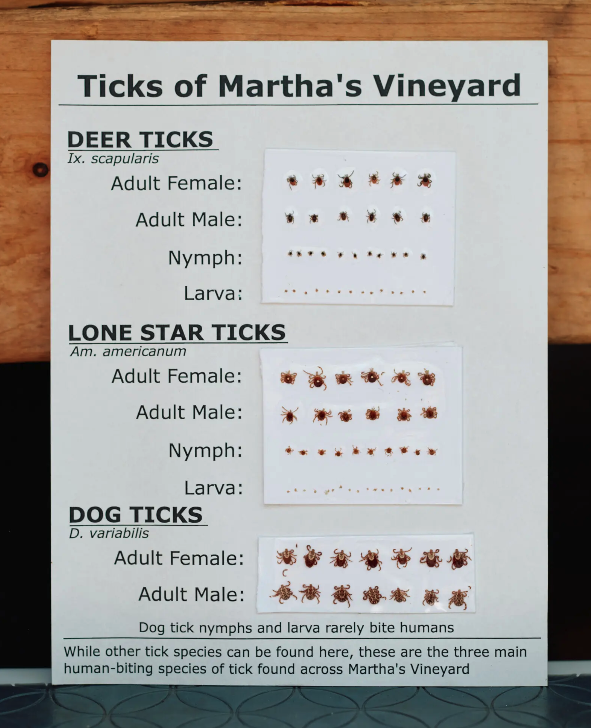
A quick fact about ticks
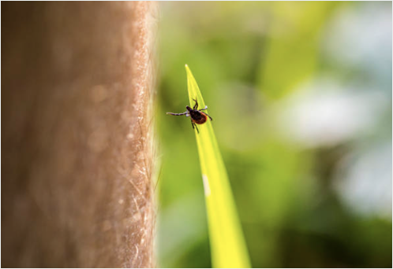
Ticks are found close to the ground. They do not jump or fly. They wait for a host (an animal or person) to brush by, grab on, and crawl up. They can crawl up and down vegetation like grass and shrubs and wait at the ends for something to brush by. This means that they get onto a host (an animal or human) within the first 3 feet of the ground. They do not crawl up trees.
Before You Go Out
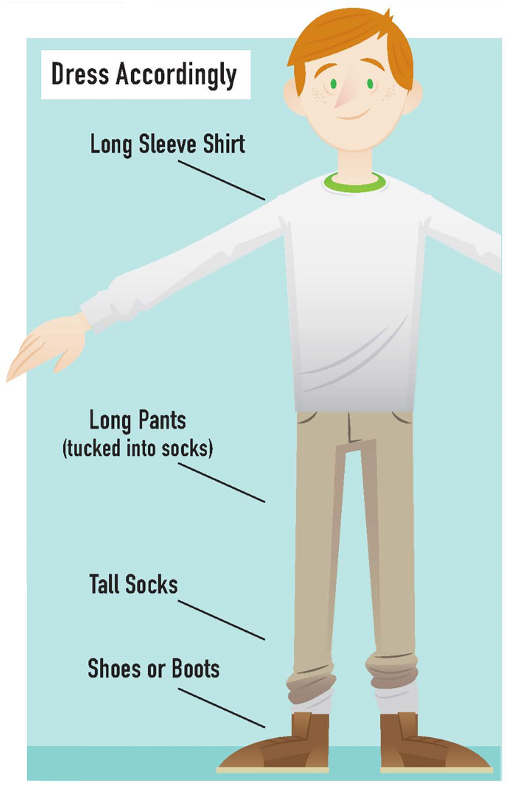



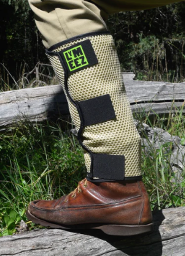
1) Dress appropriately. Ticks cannot bite if they cannot get to your skin.
Close-toed shoes, socks, pants, and long sleeves—tucked in to one another—creates a clothing barrier.
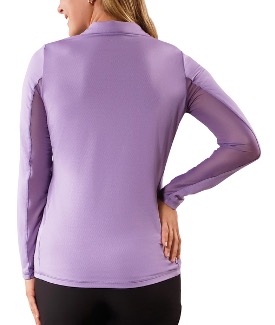
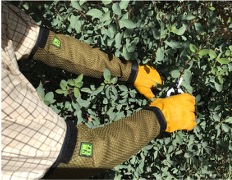
Our Tips: Leggings make great tick protective clothing. Ticks can’t get under them! So do joggers or pants with elastic cuffs on the bottom. For gardening, check out gardening sleeves that protect you from thorns but also work great against ticks. In the heat of summer, sun shirts and sun-protective fabrics are breathable, protect you from the sun, and have long sleeves. Take a look at our gallery to the left of examples of tick protective clothing.
Links to reviews: Garden sleeves & sun protection clothing
2) Treat your clothing with permethrin.
To get real-deal tick protection, there is nothing better than permethrin-treated clothing. At the MV Tick Program, we collect ticks for a living; we wear our permethrin-treated clothing every day. Prioritize treating from the ground up, because ticks crawl up. So start with shoes, socks, and pants then shirts.
Is Permethrin Safe?
Yes! Developed over 50 years ago, permethrin is proven safe for humans to wear on their clothing, but is toxic to ticks (see EPA’s review).
The one caution is about wet permethrin around cats. NPR did an excellent review of how to use permethrin safely if you have a feline companion. Read it here.
You have 3 options for permethrin-treatment:
1) Spray it yourself: hardware stores, animal feed stores, and some pharmacies carry permethrin spray. Lay out the clothing you want to treat and spray it so it is damp and then let it dry. That will give you around 6 washings or 6 weeks of protection, depending on the label. This is the only option for treating shoes. Watch our video tutorial here.
Reviews: Permethrin sprays
2) Buy new, pre-treated clothing: if you look up permethrin-treated clothing, you will find multiple vendors selling everything socks, pants, shirts, gaiters, and other garments.
3) Send in your own clothing to be professionally treated: don’t want to buy new clothes? You can treat your own! Only one company offers this service: Insect Shield. Professional treatment from Insect Shield can last up to 70 washings. 70! This is the option we choose ourselves at the MV Tick Program. In winter, we send in our spring/summer/fall clothes that we aren’t wearing to get treated and it lasts the whole year. Insect Shield has a discount code for 15% off: MARTHASV2026. Use it as many times as you like.
3) Wear EPA-registered insect repellent.
EPA-registration means that the repellent has been proven to be effective and safe when used as directed. The EPA has a handy tool called Find the Repellent Right for You tool which allows you to plug in the time you need protection for and the active ingredients preferred. There are 5 proven tick repellents: DEET, picaridin, 2-udecanone, IR3535, and oil of lemon eucalyptus (a tree, not lemon + eucalyptus).
Reviews: Wirecutter’s best bug sprays & Global Lyme Alliance’s best repellents
4) Have a Tick Kit in your car or bag, to deal with ticks on the go.
Our Tick Kit consists of:
- Sticky lint rollers – the fastest and easiest way to get ticks off of clothing! Lint roller yourself after being outdoors for a quick and easy way to see if you have any hitchhikers.
- EPA-Registered Repellent – we keep our repellent handy so we can use it when we need it.
- Tweezers – to remove ticks
- Alcohol wipes – to clean bites
- Tape or zip lock baggies – to secure ticks (sticky lint rollers do the trick too)
When You Come Back Inside
1) Change clothes or use a sticky lint roller to remove any hitchhiking ticks.
You might not notice a tick on your clothes, so the easiest way to remove the risk of it crawling to your skin is to change into a new outfit or use a sticky lint roller on your existing outfit. See tips further down about when and how to wash clothes to kill ticks.
Tick Tip: Place lint rollers by the door or in the mudroom. It will visually cue you to lint roller yourself coming inside.
2) Do a full body tick check, while changing clothes and while in the shower.
Whenever you change or go in the shower, take 30 seconds to check your full body for ticks. It makes a huge difference in Lyme disease risk to spot and remove ticks as soon as possible. Use a handheld mirror, or a full length mirror, to check crevices, hairlines, waistlines, etc.
Tick Tip: Put a handheld mirror in your shower. It serves a visual cue (and a tool) to do a tick check!
3) Dry clothes on high heat for at least 15 minutes to kill ticks outright.
Heat and dryness kills ticks. A way to kill hitchhikers on clothing is to put your clothing straight in the dryer when you come home and dry on high heat. If you have been outdoors near poison ivy, it’s best to wash your clothes first then dry on high heat.
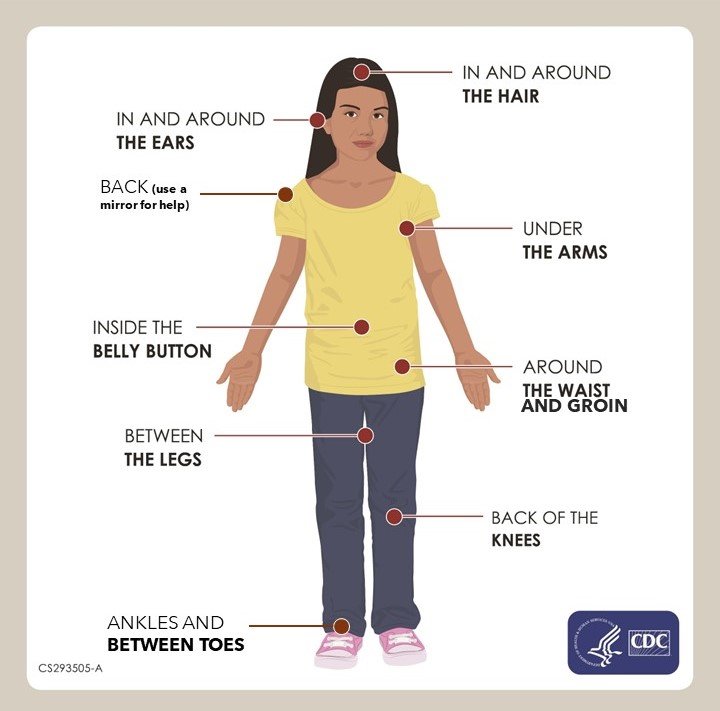
Where to check your body for ticks
If You Find a Tick Biting You
Steps to Remove A Tick
CDC’s Tick Bite Bot
An interactive tool that walks you through step-by-step on what to do after a tick bite and when it might be appropriate to seek medical care. Click “Get Started”
1) If you find an embedded tick, don’t panic
It’s important to remove the tick relatively quickly, but stay calm. No one likes to get bit by an insect, but you can take the tick off yourself following the steps below.
2) Remove the tick as soon as possible.
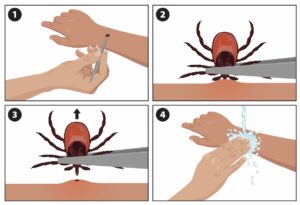
- Grasp the tick as close to the skin as possible where it’s mouth is biting.
- Hold firmly.
- Pull straight back (don’t twist).
- Clean the bite with soap and water, or an alcohol wipe.
See the graphic to the left on how to remove properly.
3) Secure or dispose of the tick.
4) Identify your tick.
Interestingly enough, the diseases ticks can cause belong very specifically to each tick species. In other words, the disease is specific to the tick. There is only 1 disease on Martha’s Vineyard that can be transmitted by two types of ticks. So knowing which tick bit you can be powerful information on what to be vigilant for.
TickSpotters from University of Rhode Island provides FREE tick identification services when you send them a photo.
TickSpotters also has growth comparison pictures of ticks, which shows how ticks look depending how long they have been feeding for. Moral of the story is if they are hard and flat, they have not been there long. If they are grey, plump, or squishy (“engorged”) then they have been there a while. Taking your best guess about how long it has been there can help you figure out next steps.
IF your tick is a deer tick and it is engorged (grey, plump, squishy), call your doctor ASAP and see if a single 200mg dose of doxycycline as post-exposure prophylaxis is right for you. The antibioitics need to be taken within 72 hours of the tick bite. This only helps reduce the risk of Lyme Disease, and does not work for any of the other infections nor alpha-gal syndrome. You still should keep an eye out for symptoms.
5) Test your tick. [Optional]
6) ) Monitor for symptoms. If you get sick, see a doctor and tell them about your tick bite, where you got it, and bring the tick if you have it.
As mentioned above, not every bite leads to illness. So that means many people are left to “wait and see”. If you get sick, talk to your doctor about your tick bite history. They will work through the possibilities with you to figure out what you might have. It also might not be tick-related; many tick infections start off looking like a summer flu or COVID.
Still have questions? Contact us!
Martha’s Vineyard Tick Program can be reached at mvticks@gmail.com.
*Note that we do not provide medical advice. Please contact your healthcare provider with your individual medical questions.
Tick News
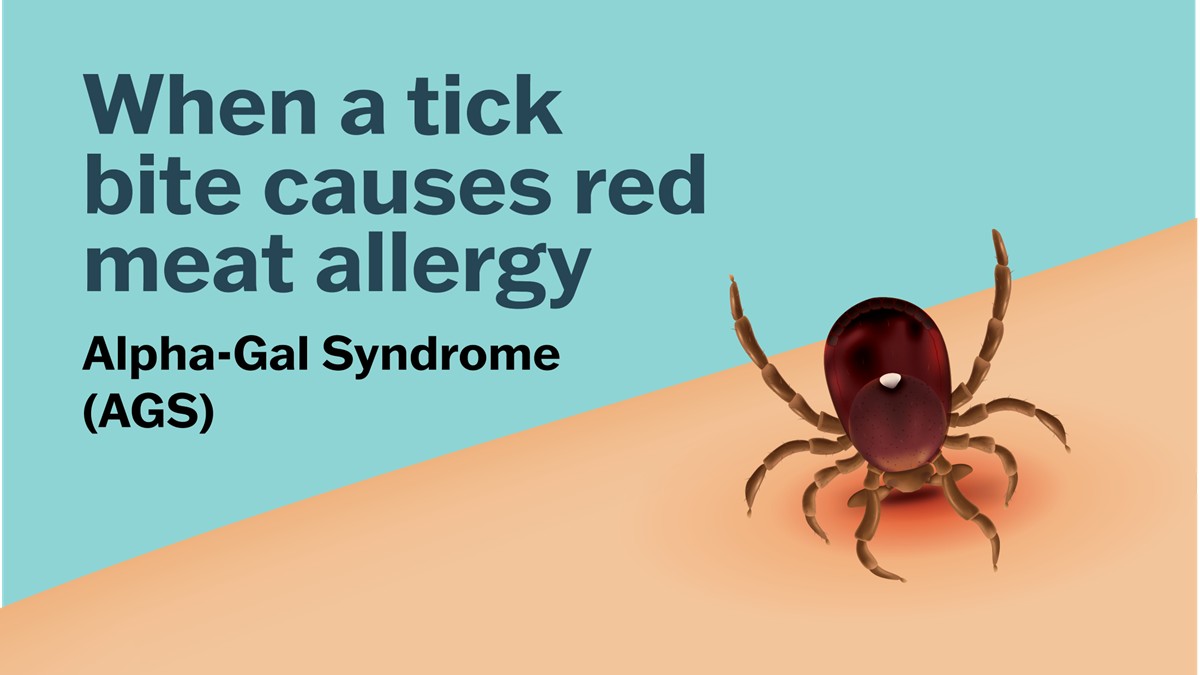
Massachusetts Department of Public Health Designates Alpha-Gal Syndrome a Reportable Condition
For Immediate Release March 20, 2026 Inter-Island Public Health Excellence Collaborative (IIPHEC) Aquinnah | Chilmark | Edgartown | Gosnold | Nantucket | Oak Bluffs | Tisbury |…
The Tall Tick Tales
Debunking Common Tick Myths Ticks have become a fact of life on Martha’s Vineyard, but unfortunately, so has the misinformation about them. From unproven extermination remedies…
Tick-Borne Illness Resources
Identify Tick Species
Types of Ticks on the Islands
Lone Star Tick
Common on the Islands
Alpha-Gal Syndrome
Learn About AGS
Public Presentations
Browse Tick Presentations
Video Resources
Informative Tick Videos
Yard Surveys
Residential Yard Surveys

Inter-Island Public Health Collaborative
Martha’s Vineyard and Nantucket
Dedicated to enhancing the health and well-being of Martha’s Vineyard and Nantucket communities through collaborative public health initiatives.
© Inter-Islands Public Health Collaborative 2026